Today's AI is not dangerous in the science-fiction sense. It has no goals, no awareness and no desire to take over. The real risks are practical and present: confident misinformation, privacy and data leaks, bias, scams made more convincing, and over-reliance. All of them are manageable with sensible use, a bit of training and a clear policy. The sci-fi risk is a debate for the future, not a reason to avoid AI now.
"Is AI dangerous" is a fair question and it deserves a straight answer rather than either a shrug or a shudder. The honest version separates the risks worth taking seriously today from the ones that belong in a film. Here it is, calmly.
The short version
- Today's AI has no goals or awareness. The Terminator scenario is not the live issue.
- The real risks are practical: misinformation, privacy, bias, scams and over-reliance.
- Every one of those is manageable with sensible habits and a clear policy.
- The bigger danger for most people is misusing AI, not AI turning on them.
- Understanding the risks is exactly how you defuse them.
The five AI risks worth managing today
Will AI take over? Dealing with the science-fiction fear
The fear underneath most of the panic is the film version: a machine that wakes up, forms its own goals and decides it does not need us. It is worth saying plainly that today's AI is nowhere near that. It has no wants, no awareness, no self. It predicts patterns. Whether a far more capable future AI could pose that kind of risk is a genuine debate among serious people, and it is worth having. It is just not a reason for you to hesitate over using ChatGPT to draft an email this week. Do not let a distant, uncertain risk stop you managing the concrete, present ones.
The real dangers of AI today
They are unglamorous and entirely manageable. AI states wrong things with confidence, so you check. It can leak data if you paste secrets into a consumer tool, so you set rules about what goes in. It inherits bias from its training data, so a human keeps oversight. It makes scams more convincing, so you stay alert and verify. And it tempts people to outsource their own thinking, so you keep it as an assistant rather than an authority. None of these is exotic. All of them yield to a bit of care.
Want your team using AI safely rather than nervously? A clear AI policy is where it starts.
Why AI misuse is the bigger danger
For the overwhelming majority of people and businesses, the danger is not that AI turns on you. It is that someone uses it carelessly - emails a hallucinated statistic to a client, uploads customer data to a random free tool, quietly stops checking anything. Those are not technology failures. They are training and policy failures, and they are completely preventable. The organisations getting this right are not the ones avoiding AI. They are the ones that taught their people how to use it and wrote down the rules.
How to use AI safely
Three things cover most of it. Train people, so they understand what AI can and cannot be trusted with. Write a simple AI policy, so nobody has to guess what data is allowed where. And keep a human in the loop on anything that matters, so a confident machine error never reaches the outside world unchecked. Do those and the practical risks shrink to something small and boring, which is exactly where you want your risks.
The dangerous thing is not AI thinking for itself. It is people who stopped thinking for themselves.
So: not dangerous the way the films promised, and not harmless either. It is a powerful tool with real, manageable risks. Respect it, learn it, put a few sensible rules around it, and it becomes one of the safest powerful things you will ever use.
Is AI dangerous? Frequently asked questions
The exact things people type into Google and ask AI about this topic.
Is AI dangerous?
Today's AI is not dangerous in the science-fiction sense; it has no goals, awareness or desire to take over. The real risks are practical and present: confident misinformation, privacy and data leaks, bias, more convincing scams, and over-reliance. All are manageable with sensible use, training and a clear policy.
Will AI take over the world?
Current AI cannot take over anything; it predicts patterns and has no wants or awareness. Whether a far more capable future AI could pose that kind of risk is a genuine debate among experts, but it is not a reason to avoid using today's AI tools for everyday work.
What are the real dangers of AI?
The practical risks are misinformation stated confidently, privacy and data leaks from pasting sensitive information into tools, bias inherited from training data, AI-enhanced scams and phishing, and over-reliance that erodes human judgement. Each can be managed with awareness, training and clear rules.
How can I use AI safely?
Train people to understand what AI can and cannot be trusted with, write a simple AI policy covering what data is allowed where, and keep a human reviewing anything that matters. These three steps reduce the practical risks to something small and manageable.
Is it the AI or the user that is the bigger risk?
For most people and businesses, careless use is the bigger risk - sending a hallucinated fact to a client or uploading sensitive data to an unsafe tool. These are training and policy failures rather than technology failures, and they are preventable.
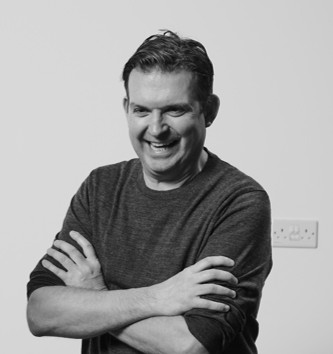
Harry Lang founded The Oxford AI School after 20+ years in marketing leadership. We help business owners, teams and individuals across Oxfordshire and the UK use AI tools like Claude, ChatGPT, Gemini, Perplexity and Microsoft Copilot in a way that is practical, jargon-free and genuinely useful.
Want this applied to your own work, with someone in the room? Book a free 10-minute intro call.