Judge AI information by never trusting it blindly on anything that matters. Check facts against a reliable source, ask the AI for its sources and verify them, be extra sceptical of specific figures, dates, quotes and citations, and use your own domain knowledge as a filter. Treat AI as a fast, confident draft that always needs a second pair of eyes: yours.
AI's greatest weakness is that it is wrong beautifully. The mistakes arrive in fluent, confident, professional prose, which is exactly what makes them easy to miss. Learning to judge accuracy is the single most important AI skill there is. Here is how to do it without becoming paranoid.
The short version
- AI can state false things with total confidence. This is called hallucination.
- Fluency is not accuracy. A polished answer can still be wrong.
- Be most sceptical of facts, figures, dates, quotes and citations.
- Ask for sources, then actually check them. AI can invent references.
- Your own knowledge and a reliable second source are your best filters.
How to check if AI information is accurate
Notice the stakes
Ask how much it matters if this is wrong. Higher stakes, harder checking. Calibrate your effort.
Interrogate the specifics
Statistics, dates, names, quotes and legal or medical claims are where AI slips most. Zoom in there.
Ask for sources
Request where the claim comes from, then open the source. AI sometimes invents plausible-looking references.
Cross-check independently
Confirm important facts against a reliable source you trust, not just a second AI answer.
Apply your own judgement
If something contradicts what you know, trust your expertise and dig. You are the filter.
Why is AI wrong so convincingly?
Remember what the machine is doing. It predicts the most likely next words, not the true ones. Usually likely and true line up, which is why it is useful. But when they part company, AI cheerfully produces the plausible-sounding falsehood, because plausible is all it was ever optimising for. It has no sense of "I am not sure about this". So it invents a statistic, misattributes a quote or conjures a citation that looks perfect and does not exist, all in the same confident tone it uses for the truth. The problem is not that it lies. It is that it cannot tell the difference.
Where AI gets things wrong most often
Accuracy risk is not evenly spread, which is good news, because it tells you where to look. Be most careful with:
- Precise statistics and numbers.
- Specific dates and chronology.
- Direct quotes, and who said them.
- Named sources, studies and citations.
- Anything legal, medical, financial or safety-related.
- Very recent events, which may fall outside what the model reliably knows.
General explanations of well-established ideas are usually safe. A specific figure attached to a specific source is where you slow down and check.
Want your team to build the checking habit properly, on real work? That is core to what we teach.
How to check AI sources properly
Asking "what are your sources for that" is a good habit and a partial trap. Good, because it pushes the AI to ground its claims and gives you something to verify. A trap, because AI can fabricate sources as fluently as facts, producing a tidy list of references that look authoritative and lead nowhere. So the instruction is not "ask for sources". It is "ask for sources, then open them". An unverified citation from an AI is not evidence. It is a lead.
How much fact-checking does AI output really need?
None of this means distrusting everything, which would waste the tool entirely. It means matching your checking to the stakes. A brainstorm or a rough first draft needs almost no verification. A figure going to a client, a legal point, a fact in something published under your name needs proper checking. Most professionals already do exactly this with a junior colleague's work: glance at the low-stakes stuff, scrutinise the things that carry risk. Apply the same instinct to AI and you are most of the way there.
AI is a brilliant, tireless assistant who occasionally makes things up with a completely straight face. You would check that person's work. Check this too.
Get this one habit right and every other use of AI becomes safe. It is the skill that turns a risky tool into a reliable one, and it lives entirely in your hands. Fluent is not the same as correct. Keep that close, and you will never be caught out.
AI accuracy: frequently asked questions
The exact things people type into Google and ask AI about this topic.
How can I tell if AI information is accurate?
Do not trust AI blindly on anything that matters. Check facts against a reliable source, ask for and verify its sources, be especially sceptical of figures, dates, quotes and citations, and use your own knowledge as a filter. Match the depth of checking to how much it matters if the answer is wrong.
Why does AI give wrong answers so confidently?
AI predicts the most likely next words rather than the true ones, and it has no internal sense of certainty. When plausible and true diverge, it produces the plausible falsehood in the same confident tone it uses for facts. This is known as hallucination.
What kinds of AI answers are most likely to be wrong?
Precise statistics, specific dates, direct quotes, named sources and citations, legal, medical or financial claims, and very recent events are the highest-risk areas. General explanations of well-established ideas are usually more reliable.
Can I trust the sources AI gives me?
Not without checking. AI can fabricate references that look authoritative but do not exist. Asking for sources is useful only if you then open and verify them. An unverified AI citation is a lead to check, not evidence.
Do I need to fact-check everything AI produces?
No, match your checking to the stakes. Brainstorms and rough drafts need little verification, while figures for clients, legal points or anything published under your name need proper checking. Calibrating effort to risk keeps AI both useful and safe.
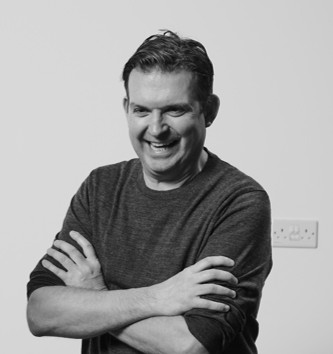
Harry Lang founded The Oxford AI School after 20+ years in marketing leadership. We help business owners, teams and individuals across Oxfordshire and the UK use AI tools like Claude, ChatGPT, Gemini, Perplexity and Microsoft Copilot in a way that is practical, jargon-free and genuinely useful.
Want this applied to your own work, with someone in the room? Book a free 10-minute intro call.