For most people, AI will not take your job, but it will change it, and a person using AI may well take the job of a person who refuses to. The realistic near-term picture is tasks being automated, not whole roles disappearing overnight. The sensible response is not panic. It is to become one of the people who uses AI well.
It is the question underneath all the others, usually asked quietly. Let us treat it seriously and honestly, with the actual evidence rather than either the doom or the hype. Here is what is really likely to happen to work, and what to do about it that is within your control.
The short version
- AI mostly automates tasks, not entire jobs, at least in the near term.
- The bigger risk is being replaced by a person who uses AI, not by AI itself.
- Roles heavy in routine, repetitive digital work face the most change.
- Judgement, relationships, creativity and physical presence remain hard to automate.
- The protective move is learning to use AI well, starting now.
What the research actually says
Is AI actually replacing jobs?
Strip out the headlines and the pattern is fairly consistent across the serious studies. AI is good at specific tasks - drafting, summarising, sorting, first-pass analysis - and those tasks sit inside jobs rather than being jobs on their own. So the near-term effect is roles being reshaped: the boring third gets automated, and the human is freed, or expected, to do more of the valuable rest. Whole professions vanishing overnight is not what the evidence points to. Meaningful change to how work is done absolutely is.
That is not nothing. Reshaped roles still mean disruption, retraining and, for some, real upheaval. But it is a very different thing from the robot-takes-your-desk story, and the difference should shape how you respond.
Which jobs are most at risk from AI?
Most exposed: routine, repetitive, screen-based tasks. Standardised writing, basic data handling, simple research, first-line query answering. Least exposed: work that leans on judgement, trust, relationships, creativity, physical presence and accountability. A machine can draft the report. It cannot sit across a table and win a nervous client's confidence, take responsibility when it matters, or read a room. If your role is rich in those, you are more insulated than the headlines suggest.
Want to be the person who uses AI well rather than the one who avoided it? Start here.
The real risk: being replaced by someone who uses AI
Here is the bit worth being honest about. "AI will not take your job, a person using AI will" has become a cliche because it is largely true. When two people can do the same role and one produces a week's work in an afternoon, the market notices. The threat, for most of us, is not the technology. It is the colleague who learned it while we were still deciding whether to.
Which is oddly good news, because it puts the outcome back in your hands. You cannot stop AI arriving. You can absolutely choose to be on the right side of it.
How to make your job more AI-proof
Learn to use AI well in your specific field. Not the theory, the practice. Get fluent with the tools, work out which of your tasks they genuinely improve, and lean harder into the human parts they cannot touch. That combination - AI for the routine, you for the judgement - is the most secure position there is, and it is available to anyone willing to spend a few afternoons learning. We help professionals do exactly that, one-to-one and in teams.
The safest job in an age of AI belongs to the person who learned to use it. That person can be you, starting this week.
So worry less about the machine and more about the choice in front of you. The people who will do best are not the ones with nothing to fear. They are the ones who decided to get good at this early. There is still plenty of early left.
Will AI take my job? Frequently asked questions
The exact things people type into Google and ask AI about this topic.
Will AI take my job?
For most people, AI is more likely to change your job than take it, at least in the near term. It automates specific tasks within roles rather than eliminating whole roles overnight. The greater risk is being outcompeted by someone who uses AI well, which is why learning to use it matters.
Which jobs are most at risk from AI?
Roles heavy in routine, repetitive, screen-based work - standardised writing, basic data handling, simple research and first-line query answering - face the most change. Work built on judgement, relationships, creativity, physical presence and accountability is far less exposed.
Which skills are safest from AI?
Skills that are hard to automate include judgement, building trust and relationships, creativity, complex problem-solving, physical and hands-on work, and taking responsibility for outcomes. Combining these human strengths with good AI skills is the most secure position.
Is it true that a person using AI will take my job, not AI itself?
Broadly, yes. When two people can do the same role and one uses AI to work far faster, the market notices. For most people the practical threat is a colleague or competitor who learned AI, not the technology replacing the role directly.
What should I do to protect my career from AI?
Learn to use AI well in your specific field, focusing on practice rather than theory, and lean into the human parts of your work that AI cannot replicate. Starting early, while these skills are still uncommon, gives the biggest advantage.
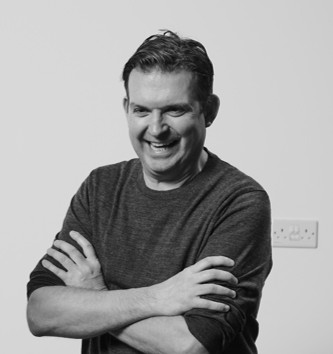
Harry Lang founded The Oxford AI School after 20+ years in marketing leadership. We help business owners, teams and individuals across Oxfordshire and the UK use AI tools like Claude, ChatGPT, Gemini, Perplexity and Microsoft Copilot in a way that is practical, jargon-free and genuinely useful.
Want this applied to your own work, with someone in the room? Book a free 10-minute intro call.